Bias Tape Making and Use
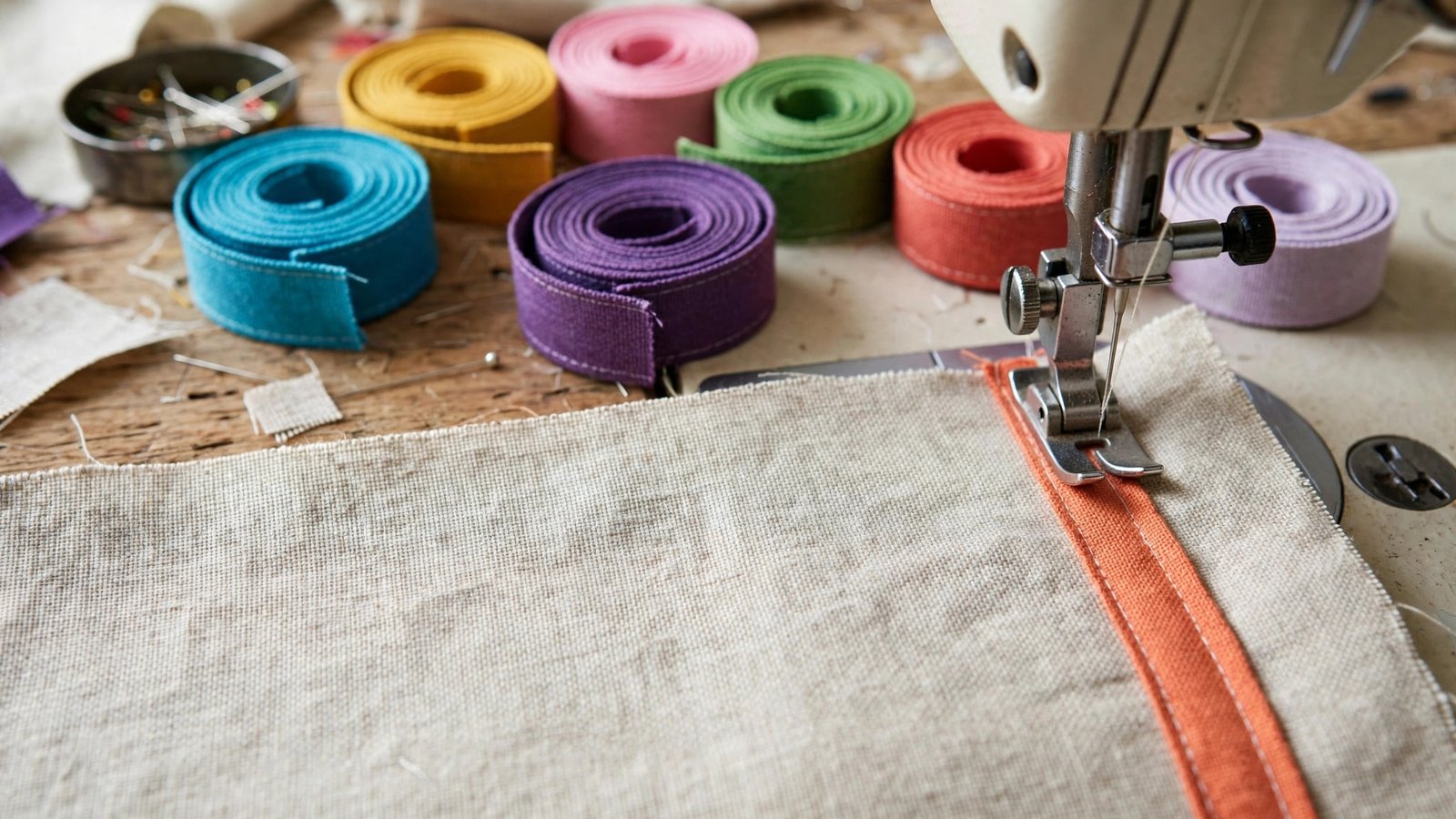
Bias tape is a narrow strip of cloth cut on the bias, which is the diagonal direction of the cloth, and it is used to bind and finish edges such as…
20 practical guides in this category, each with materials, steps, tips and common mistakes.
Bias tape is a narrow strip of cloth cut on the bias, which is the diagonal direction of the cloth, and it is used to bind and finish edges such as…
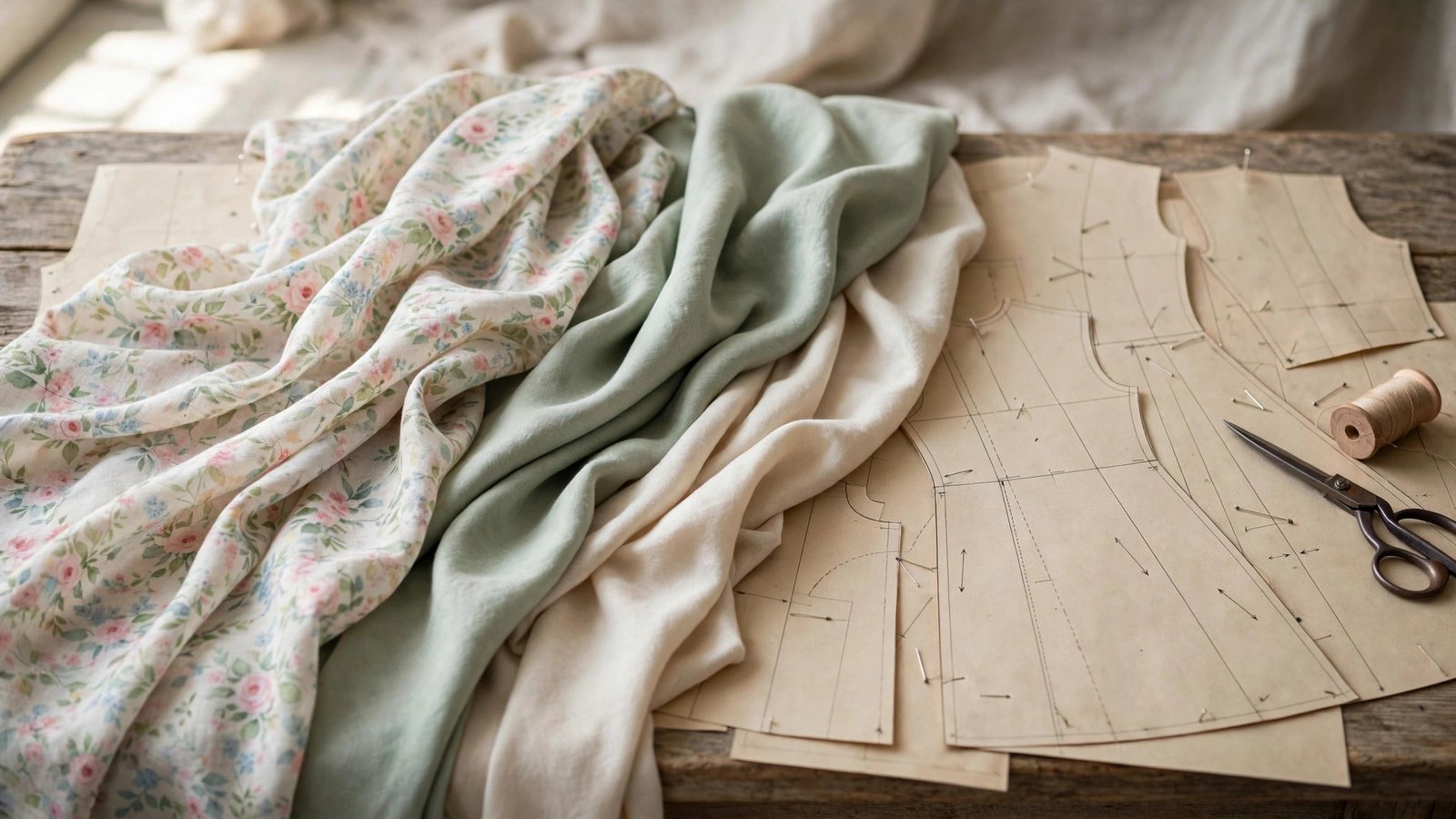
Choosing fabric for a dress starts with the dress itself, not with the prettiest cloth in the shop. A fitted sheath, a flowing maxi, and a structured…
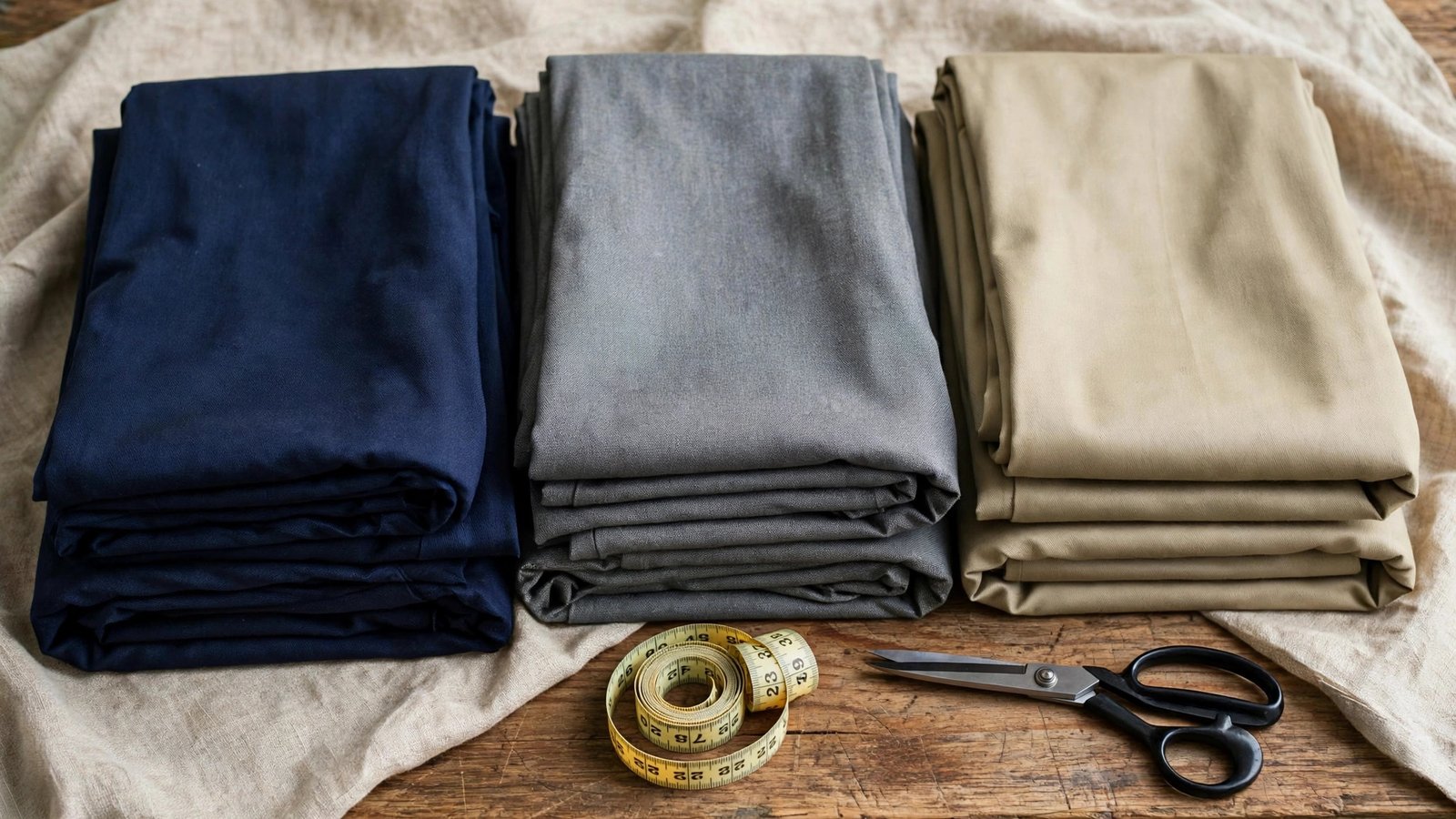
Trousers ask more of cloth than many garments, because the cloth must hold its shape at the waist and knees, stretch enough for sitting and walking…
Cotton is a good first fabric for many home sewing projects because it is stable, easy to press, and widely sold in weights that suit shirts…
Cutting on the fold means placing a pattern piece with one edge on a fold of cloth, so cutting through both layers gives a full piece that is…
Fabric grain is the direction of the threads in a piece of cloth, and it decides how a garment hangs, stretches, and keeps its shape after washing…
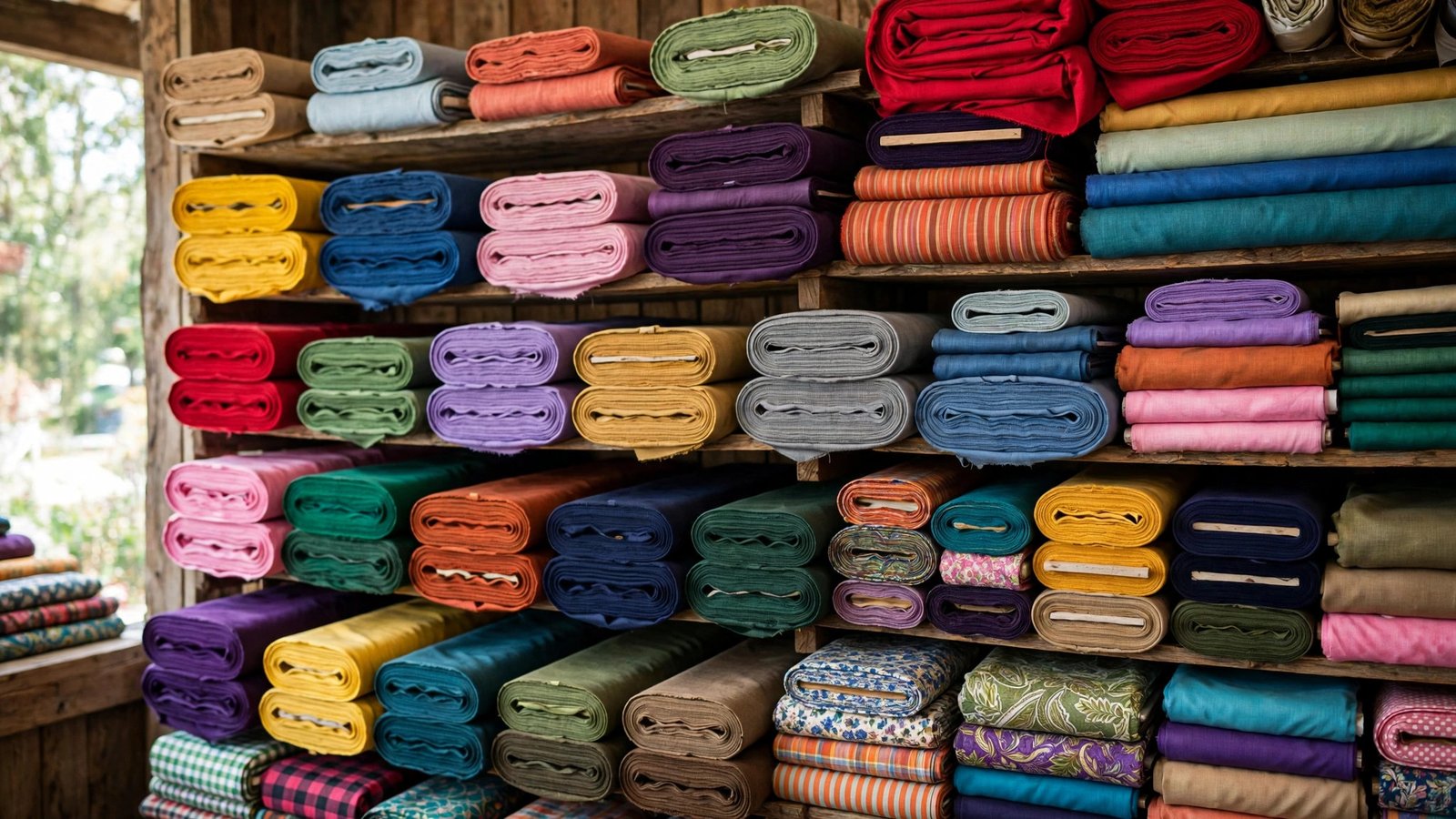
Fabric shopping is enjoyable, but it is easy to leave a shop with beautiful cloth that does not suit the pattern, the season, or the care routine you…
Interfacing is a hidden layer sewn or fused inside a garment to give shape, support, and stability where cloth alone would flop or stretch. Collars…
Knit and woven are the two main ways cloth is made, and the difference shapes almost every sewing choice that follows. Woven cloth is made by…
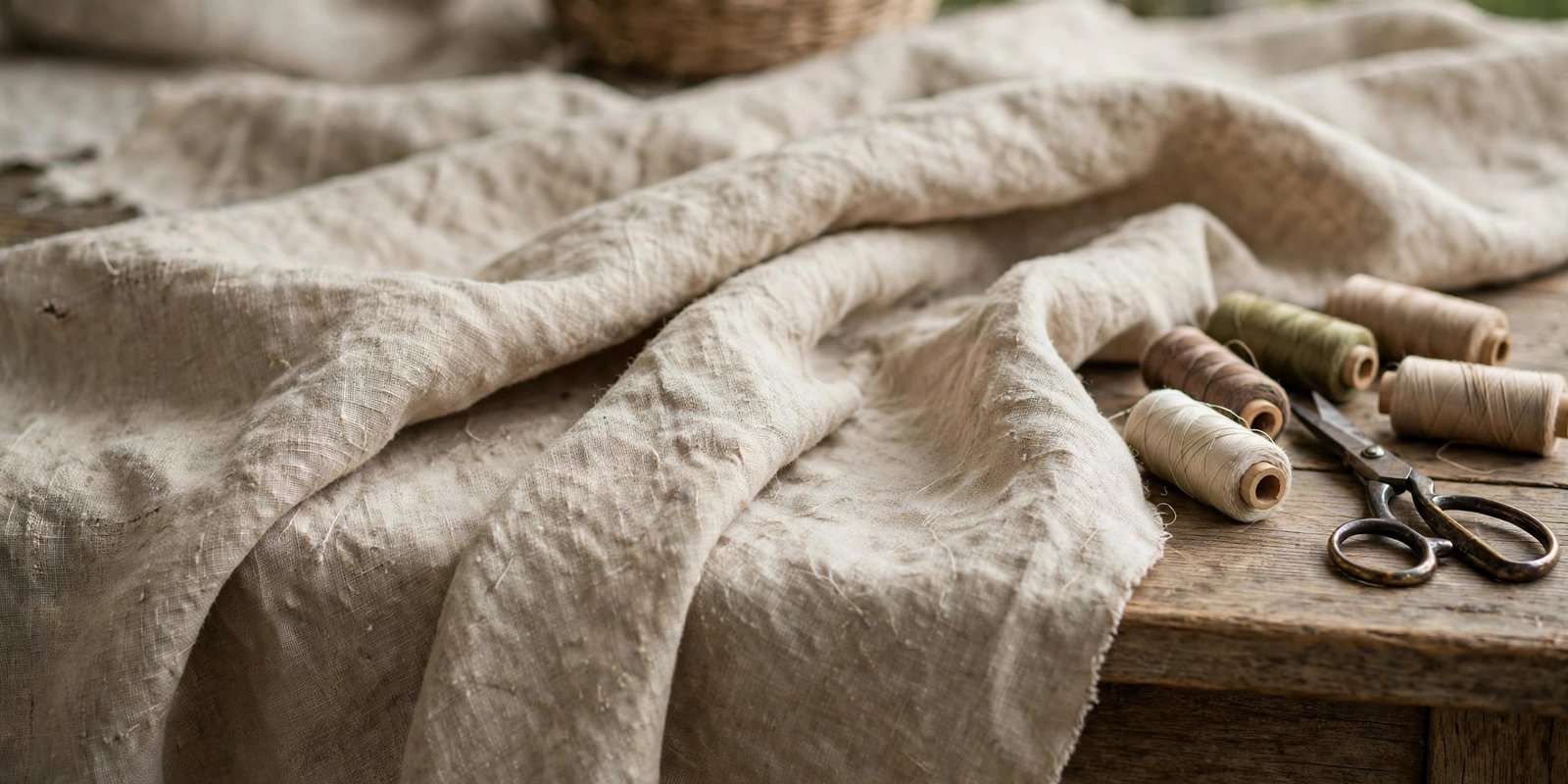
Linen is a plant fibre cloth known for breathability, a crisp hand, and a relaxed look that suits warm weather garments. It drapes in soft folds when…
A lining is an inner layer sewn inside a garment, and it does several jobs at once: it hides seam finishes, helps a jacket or dress slide on easily…
Pattern markings are the small symbols on tissue pieces that tell you how to cut, sew, and fit a garment. They look like a code at first: arrows…
Pattern sizing confuses many sewers because the number on the envelope rarely matches the number on a shop label. Pattern companies size by body…
Polyester is a man made fibre sold in a wide range of cloths, from crisp lining fabric to soft jersey, satin, crepe, and fleece. Its appeal for home…
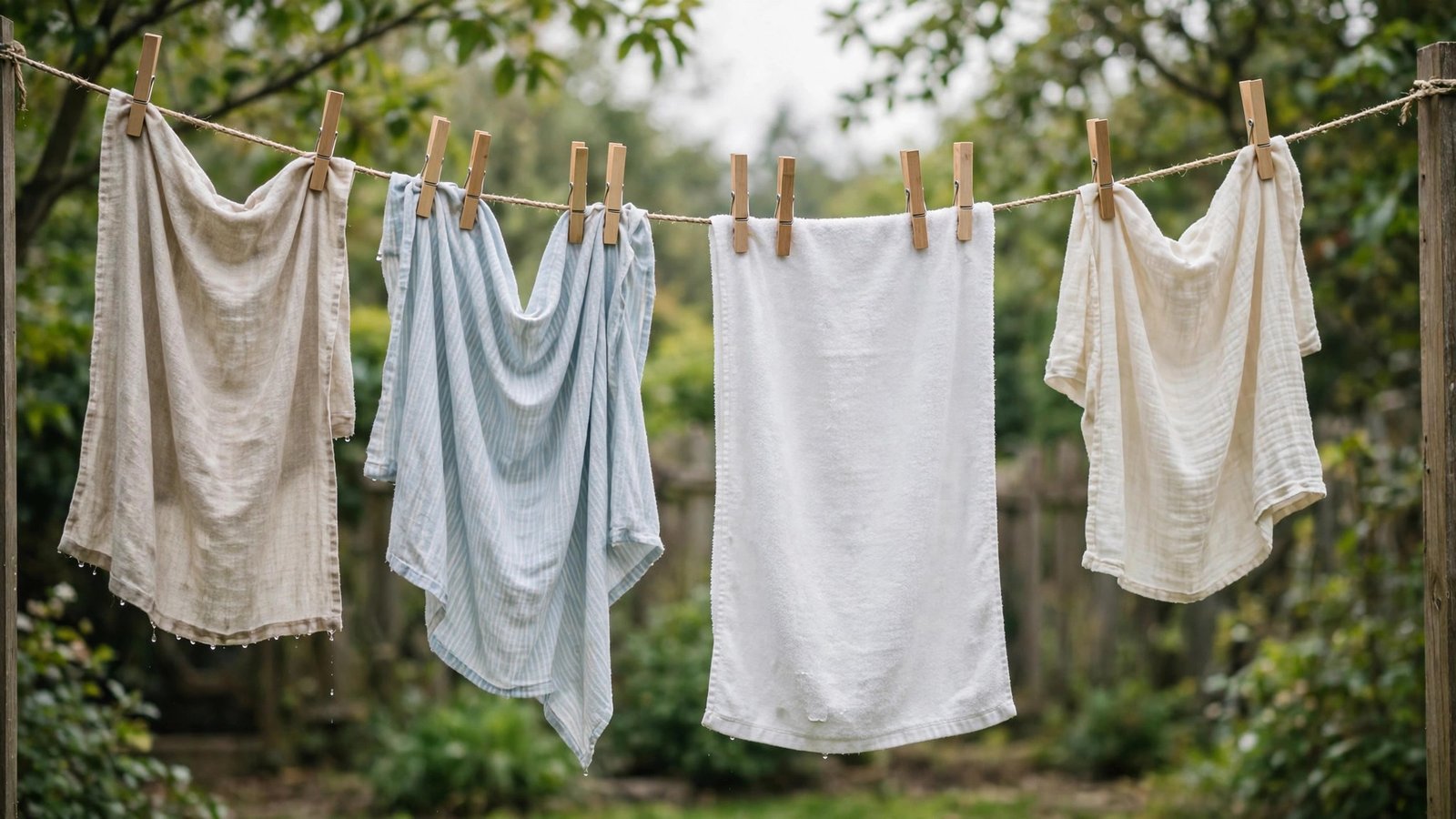
Prewashing means washing cloth before cutting it, in the same way you plan to wash the finished garment. It is a simple step that prevents one of the…
A sewing pattern looks busy at first: an envelope with photos or drawings, a sheet of tissue with many overlapping lines, and an instruction sheet…
Denim is a sturdy twill cloth with a diagonal weave, a blue face and a lighter reverse, and a reputation for lasting well in jeans, jackets, and…
Silk is a natural fibre cloth known for softness, sheen, and fluid drape, and it makes beautiful blouses, dresses, and scarves. It is also slippery…
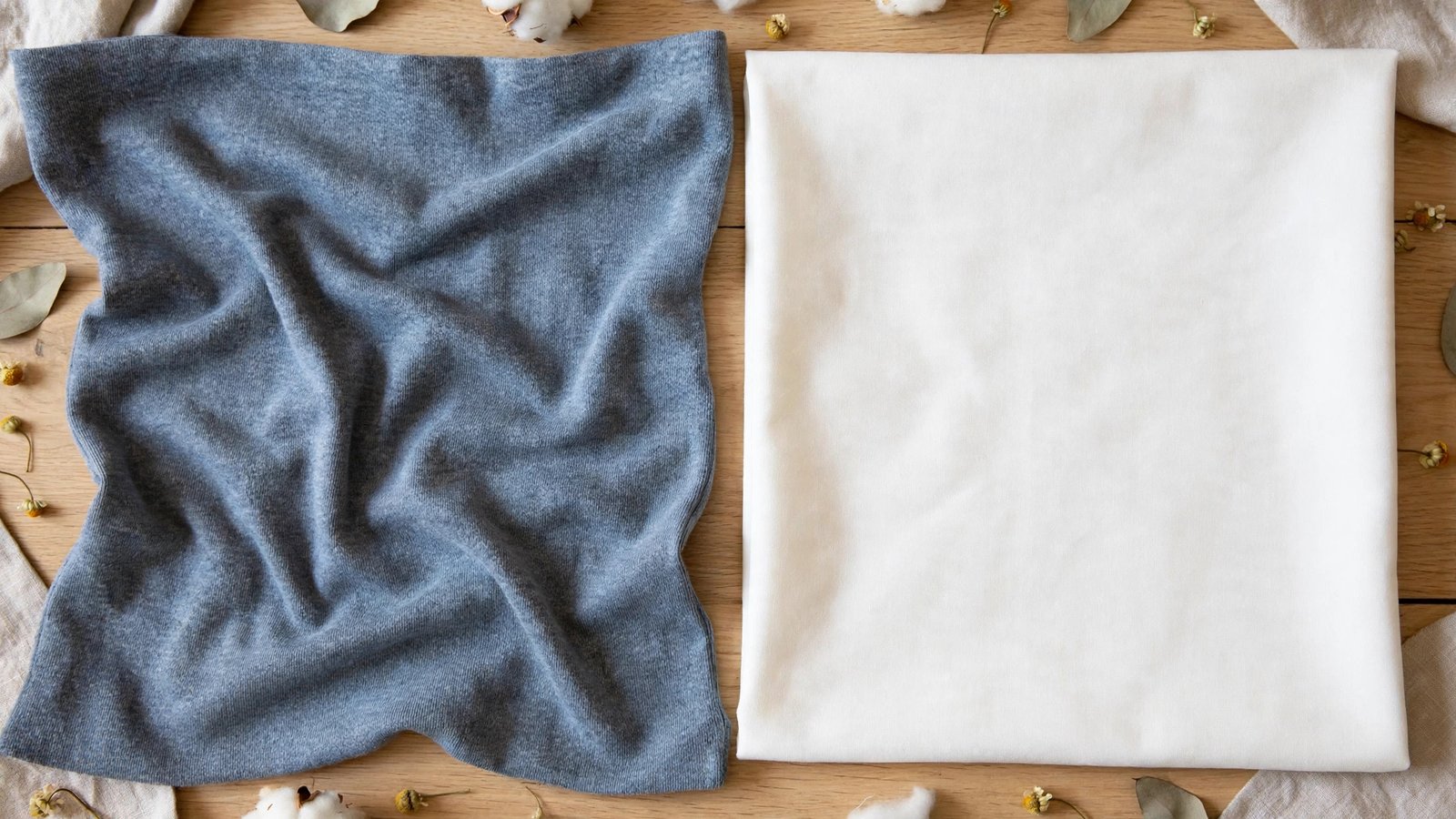
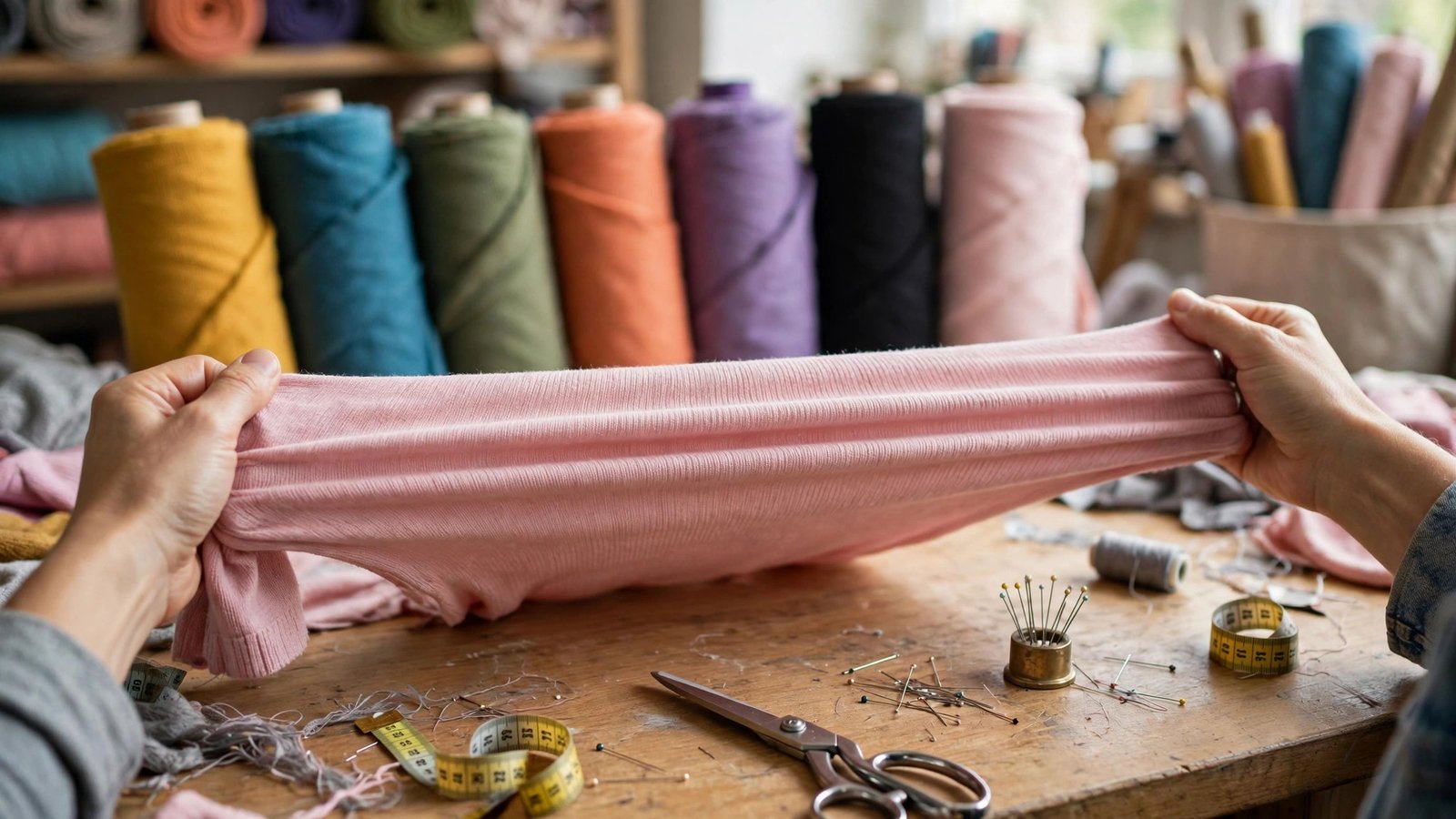
Stretch fabric, often called knit fabric, moves with the body, which makes it comfortable for T shirts, leggings, dresses, and active wear. It also…
Tracing a pattern means copying the tissue or printed pieces onto tracing paper, so the original stays intact and you have a clean copy to alter. It…
Sign-up opens at launch.
Get new sewing guides by email. The working signup list is set up at launch, so this form does not subscribe you today.